
Updated on: 6/8/2025

What to Consider When Pairing a Base Spirit with Mixers and Garnishes

A great cocktail comes down to harmony. Choosing the right mixers and garnishes for a base spirit is not just about matching flavors, but also about building balance, aroma, and finish. Whether you’re crafting drinks at home or aiming to polish your bar technique, understanding these pairing principles will help every combination sing.
Know Your Base Spirit’s Profile
Each base spirit brings its own aroma, texture, and flavor spectrum. Recognizing these qualities sets the foundation for every pairing decision.
- Gin: Herbal, floral, with juniper and citrus notes
- Whiskey: Rich, woody, spicy, or sometimes sweet with hints of vanilla
- Rum: Varies from light, grassy and crisp to dark, molasses-rich and caramelized
- Tequila: Earthy, vegetal, often with subtle pepper or citrus edges
- Vodka: Clean, neutral, easy canvas for bolder mixers and garnishes
Flavor Balance: Complement, Contrast, or Amplify
Mixers and garnishes should either complement your spirit, create a pleasing contrast, or gently amplify key flavors. The structure of the drink—sweetness, acidity, bitterness, and dilution—comes down to this balance.
- Complement: Pair similar flavor families (e.g., citrus mixers with gin for layered freshness, rich syrups with whiskey for depth).
- Contrast: Add brightness or edge with opposing elements (e.g., bitter tonic with sweet rum, peppery garnish with mellow vodka).
- Amplify: Use garnishes or mixer ingredients that echo a note already present (e.g., orange peel in an old fashioned to bring up the whiskey’s citrus notes).
Classic Pairings and Their Logic
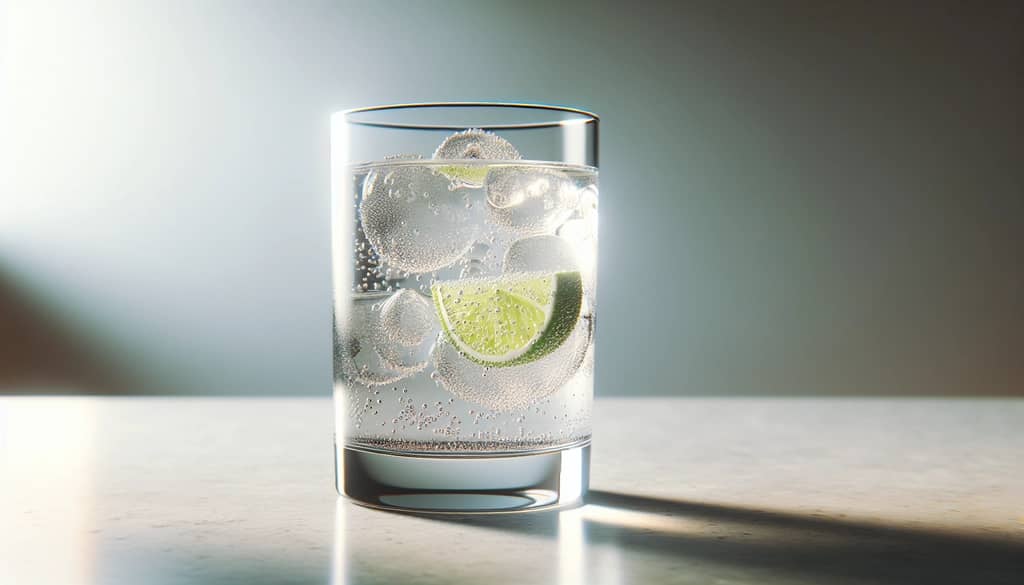
- Gin & Tonic: The tonic’s bitter quinine highlights gin’s botanicals, while lime boosts freshness.
- Whiskey & Sweet Vermouth: Sweet vermouth complements whiskey’s vanilla and spice; cherry garnish accentuates fruit notes.
- Tequila & Citrus: Lemon or lime juice amplifies agave’s brightness; a salt rim emphasizes earthiness and cuts sharpness.
Sensory Extras: The Power of Garnish
Garnishes aren’t just visual. They add aromatics, hint at flavors within, and can drastically change first impressions. Always select a garnish that ties back to either the mixer or the base spirit for layered appeal.
- Citrus peels release essential oils for aroma and brightness.
- Fresh herbs (e.g., mint, basil, rosemary) intensify herbal or vegetal spirits.
- Cherries, olives, or edible flowers provide pops of color and subtle flavor cues.

Tips for Smart Pairing and Experimentation
- Start simple: choose one base spirit, one mixer, and one garnish before building complexity.
- Taste the spirit alone to identify dominant flavors—nutty, floral, spicy, grassy, fruity.
- Aim for balance: if your spirit is punchy, soften with sweeter or tarter mixers; if it’s neutral, play with bold garnishes or aromatics.
- Don’t be afraid to contrast: adding a surprising herb or spice can lift a familiar recipe.