Updated on: 6/3/2025

Peruvian vs. Chilean Pisco Sour: What's the Difference?
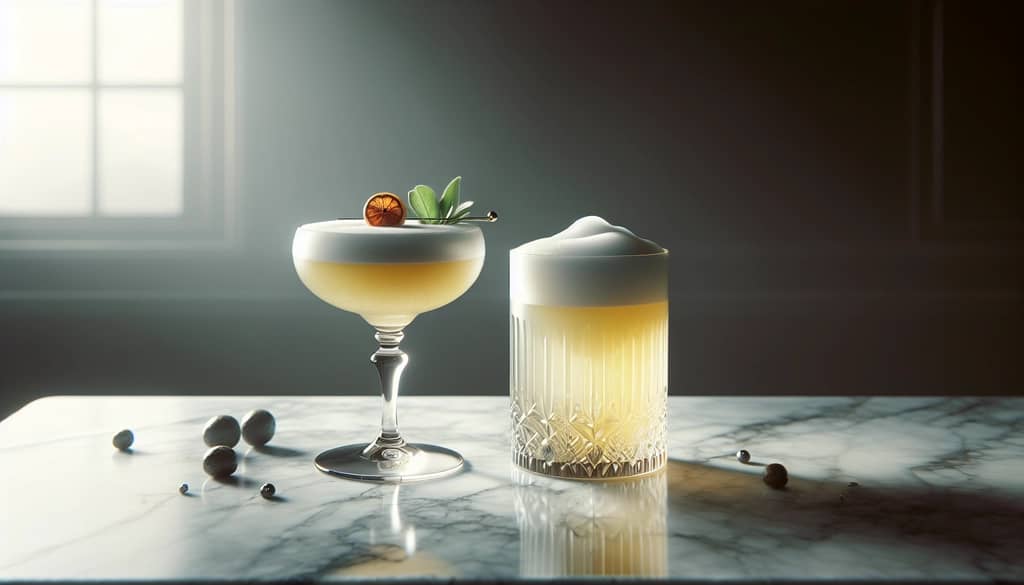
The rivalry between Peru and Chile over pisco sour isn't just about national pride—it's about heritage, unique craft, and a radically different approach to the same base spirit. While both cocktails use pisco as their soul, the details set them worlds apart. Understanding these nuances means much more than memorizing a recipe; it’s a window into how taste, tradition, and identity shape every glass.
Core Differences: Peruvian vs. Chilean Pisco Sour
- Base Pisco: Peru uses single-varietal, unaged grape distillate; Chile’s pisco often blends grapes and may be aged briefly.
- Mixer philosophy: Peruvian recipes demand balance and froth, always using egg white and Angostura bitters. Chilean style skips both, keeping the mix sharper and more direct.
- Sweetener: Classic Peruvian sours use simple syrup; Chile often prefers powdered or granulated sugar, lending a subtle graininess.
- Citrus: Fresh lime (or small Peruvian lemon) for Peru; regular lemon for Chile, resulting in lighter acidity.
According to Rafael Vallejo, bartender in Lima, “A Peruvian pisco sour is all about the mouthfeel—the cream, the balance. Egg white isn’t optional.” Meanwhile, Camila Ríos from Santiago insists, “In Chile, we keep it crisp. No froth, no spiced bitters, just pisco’s freshness, lemon, and a touch of sugar.”
Peruvian Pisco Sour Recipe (Authentic Method)
The Peruvian pisco sour is characterized by a silky foam, aromatic bitters, and meticulous balance. Use Quebranta or other high-quality Peruvian pisco for full effect.
- 60 ml Peruvian pisco
- 30 ml fresh lime juice
- 20 ml simple syrup
- 20 ml egg white (about ½ large egg white)
- 3 ml Angostura bitters (3 drops, for garnish)
- Plenty of ice
- Add pisco, lime juice, simple syrup, and egg white to a shaker—no ice yet.
- Dry shake (vigorously, without ice) for 10 seconds to emulsify the egg white.
- Add ice and shake again, hard, for 10–12 seconds.
- Double strain into a chilled coupe or small wine glass.
- Dot the foam with Angostura bitters for aroma and contrast.

Chilean Pisco Sour Recipe (Classic Version)
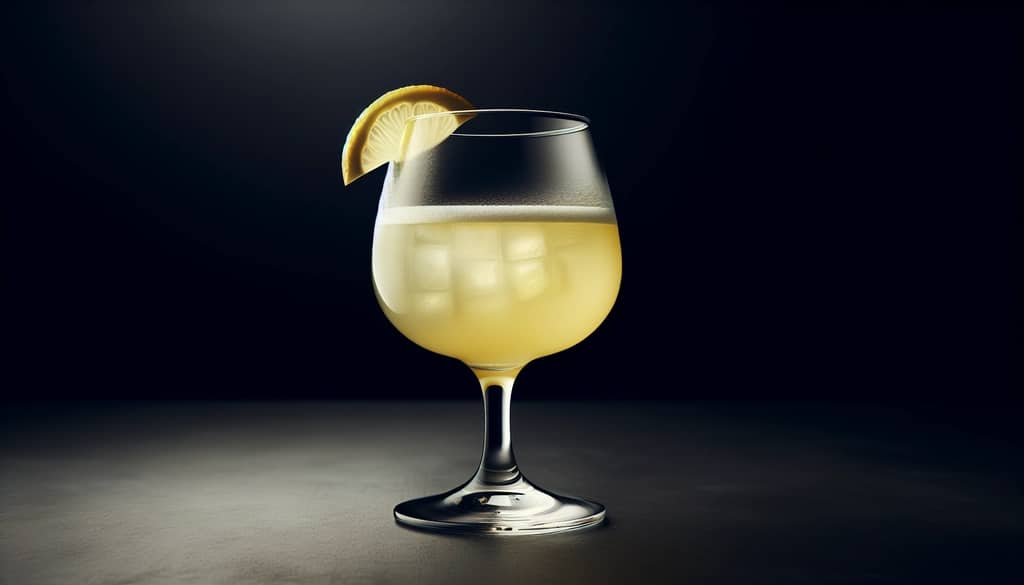
The Chilean pisco sour is even simpler—lighter, zestier, and free of both egg white and bitters. Its profile highlights the fruitiness of Chilean pisco and pure citrus.
- 60 ml Chilean pisco
- 30 ml fresh lemon juice
- 15 ml powdered or granulated sugar (dissolved in 10 ml water if needed)
- Ice
- Combine pisco, lemon juice, and sugar in a shaker.
- Shake well with ice until sugar is dissolved and the drink is chilled.
- Strain into a small glass—traditionally a stemmed wine glass or tumbler.
Choosing Your Pisco: Why Base Ingredient Matters
Grape variety, production law, and origin yield dramatic differences. Peruvian pisco is pot-distilled, never aged in wood, and always single distilled for clarity and aroma. Chilean pisco may be aged, often in stainless steel or wood, with blending that produces a softer grape character. The resulting cocktails feel distinct even when following the same proportions.
Expert Opinions on Tradition and Taste
"For many, a pisco sour marks life's celebrations," says Vallejo. “In Lima, the ritual is almost sacred.” Ríos adds, “In Chile, we celebrate the simplicity, making it at home and with friends—fresh, pure, and honest."
Whether you reach for creamy Peruvian tradition or crisp Chilean refreshment, understanding the differences makes each version far more rewarding. Discover for yourself which side of the Andes your palate prefers.