
Updated on: 6/8/2025

How to Make Sangria with Red Wine and Fruit Juice

Sangria offers endless possibilities for customization, but the foundation is always the same: good red wine, selected fruit juices, fresh fruit, and optional spirits for complexity. Whether aiming for a classic flair or a modern, juicier style, knowing how to balance acidity, sweetness, and texture is key to a refreshing pitcher every time.
Choosing the Best Red Wine for Sangria
Opt for a dry or semi-dry red wine with lively fruit notes but restrained tannins. Overly oaky or bold wines can overpower the delicacy of the fruit juice. Consider these reliable options:
- Tempranillo: classic Spanish choice with berry flavors and a soft finish
- Grenache (Garnacha): luscious red fruit and medium body
- Pinot Noir: delicate and low in tannin; adds freshness
- Merlot: smooth, round, not overly tannic
Best Fruit Juice Combinations for Red Wine Sangria
Fruit juice gives sangria a vibrant core, enhancing or softening the wine’s structure. Here are the most common and effective juice pairings for a red wine sangria recipe with fruit:
- Orange juice: brightens, balances acidity, easy to find
- Pomegranate juice: adds tartness, deep color, light tannin
- Pineapple juice: tropical flair and a juicy, soft finish
- Apple juice: subtle sweetness, soft texture
- Cranberry juice: sharp acidity, perfect for lighter styles
For depth, blend two juices — classic is orange with a splash of pomegranate or pineapple. Balance is the goal: avoid using only sweet juices, as they can overwhelm both wine and fruit.
Classic Red Wine and Fruit Juice Sangria Recipe
- 750 ml dry red wine (Tempranillo or Grenache work well)
- 150 ml orange juice (freshly squeezed if possible)
- 60 ml pomegranate juice (or 60 ml cranberry juice for more bite)
- 60 ml brandy (optional, for an adult kick)
- 30 ml simple syrup (adjust to taste, see tips below)
- Half an orange, sliced into thin wheels
- Half a lemon, sliced into thin wheels
- 1 small apple, cored and diced
- Small handful of berries (strawberries, raspberries or blueberries, optional)
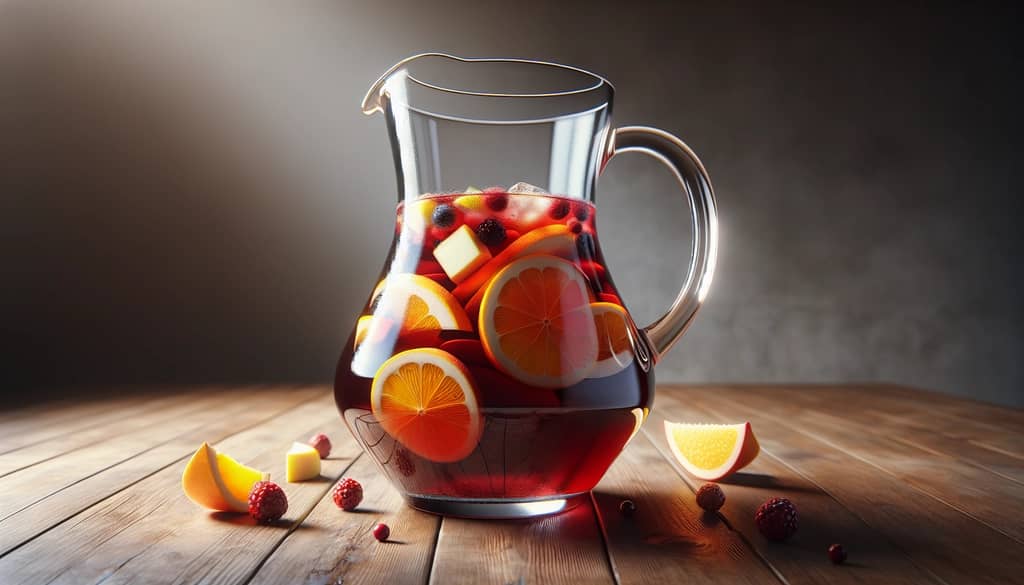
- In a large pitcher, combine red wine, orange juice, pomegranate juice, and brandy.
- Stir in simple syrup. Taste and adjust for your ideal sweetness.
- Add sliced and diced fruit. Lightly muddle some berries to release juice.
- Cover and chill for at least 2 hours, preferably overnight, to allow flavors to meld.
- When ready to serve, add ice to glasses and ladle in sangria with fruit. Top with a splash of sparkling water if extra freshness is needed.
Tips for Balancing Sweetness and Acidity
- If your juice and wine are both sweet, reduce simple syrup or skip it entirely.
- Prefer less sweet sangria? Add extra lemon slices and finish with a splash of unsweetened cranberry juice or soda water.
- Use fresh juice when possible; bottled options can taste flat or overly sugary.
- Chill thoroughly before serving. Avoid adding ice to the pitcher itself, as it quickly dilutes flavor.
Variations and Alternatives for Customization
- For a drier profile, use unsweetened pomegranate or cranberry and replace syrup with a dash of bitters.
- For bolder sangria, include 30 ml cherry juice or a few fresh cherries for depth.
- If using only orange or pineapple juice, balance with extra lemon or lime wheels for acidity.
- Sparkling red wine or a splash of soda adds lift and keeps it sessionable.
Experimentation is at the heart of a great sangria recipe with red wine and fruit juice. By balancing the vibrancy of your chosen fruit juices with a characterful wine and mindful sweetness, you create a drink that’s both distinctively yours and effortlessly crowd-pleasing.