
Updated on: 6/8/2025

Watermelon Sangria with Ginger Ale: Recipe and Flavor Insights
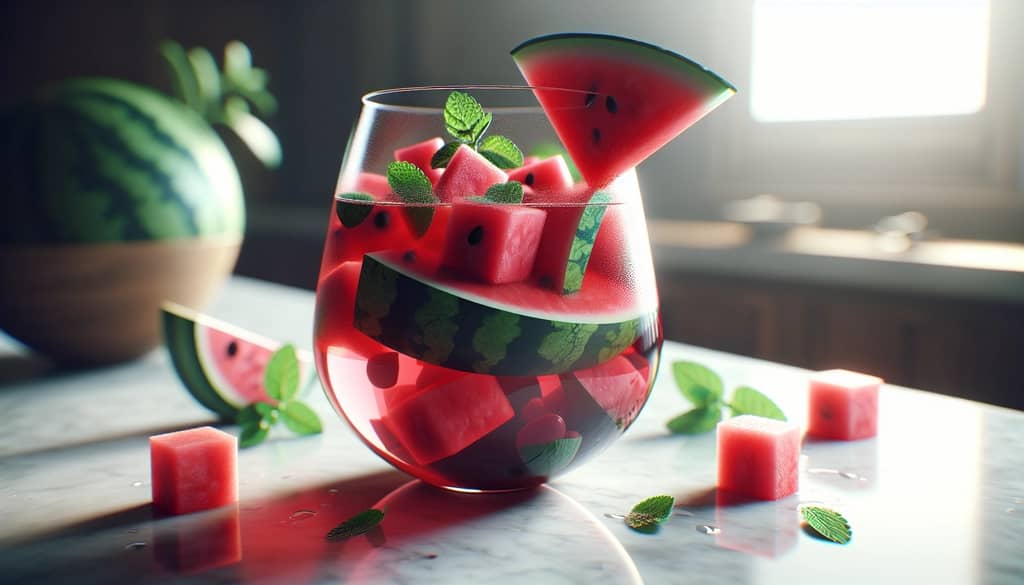
Pairing watermelon with ginger ale in sangria creates a vibrant twist on the summer classic. Adding a sparkling component such as ginger ale not only boosts refreshment, but also transforms the cocktail’s aroma, texture, and finish. Here’s how to blend these elements for a showstopping watermelon sangria with moscato and ginger ale, along with flavor principles behind each step.
Why Add Ginger Ale to Sangria?
Ginger ale brings gentle fizz, a touch of sweetness, and a mellow bite from ginger root—qualities that beautifully complement watermelon and white wine. Instead of overwhelming the fruit, ginger ale lightens the sangria, balancing the syrupy notes of moscato and allowing the watermelon’s crispness to shine through. The result is a refreshing, less boozy punch with lively effervescence and a subtle spicy echo.
Essential Ingredients
- 500 ml moscato wine (white, lightly sweet and aromatic)
- 250 ml ginger ale (chilled, classic style)
- 300 ml freshly juiced or blended watermelon (strained for clarity)
- 50 ml triple sec or orange liqueur (optional, for citrus complexity)
- 60 ml fresh lime juice (for tartness and brightness)
- 15–30 ml simple syrup (adjust based on sweetness of watermelon)
- Fresh watermelon cubes (for garnish and infusion)
- Fresh mint sprigs
Building Your Watermelon Ginger Ale Moscato Sangria
- Add 300 ml watermelon juice, 500 ml moscato, 50 ml triple sec, 60 ml lime juice, and chosen amount of simple syrup into a large pitcher.
- Stir gently to combine. Taste for balance; adjust lime or syrup as needed for your crowd.
- Add plenty of watermelon cubes and a handful of mint to the pitcher.
- Cover and chill for at least 1 hour for flavors to meld.
- Right before serving, pour in 250 ml ginger ale and stir delicately to preserve the bubbles.
- Serve over ice in wine glasses or tumblers, ensuring each glass has fruit and mint.
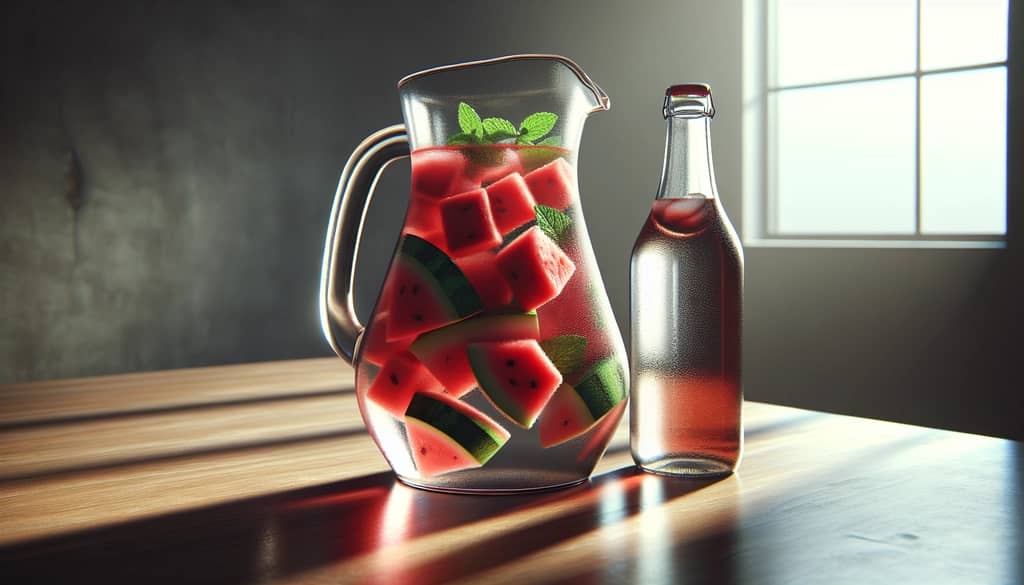
How Sparkling Mixers Transform Sangria
Any carbonated mixer—ginger ale, club soda, even Prosecco—influences a sangria’s structure and sensation:
- Texture: Gentle bubbles lift the wine and fruit flavors to the palate, adding a crisp, tingly mouthfeel.
- Aroma: Carbonation intensifies the perception of fresh watermelon, wine grape, and mint aromas.
- Balance: Sweetness from ginger ale offsets the acidity of lime and the dryness of some white wines.
- Dilution: Bubbles slightly dilute the base, keeping the sangria light, approachable, and perfect for extended sipping.
Timing matters. Mixing in ginger ale just before serving maintains fizz and captures the most aromatic lift—blending it too early will cause the carbonation to fade and the drink to taste flat. Use a chilled pitcher and glasses for maximum refreshment.

Expert Tips for Flawless Watermelon Sangria
- Choose ripe, seedless watermelon for maximum juice and flavor.
- Avoid over-stirring once ginger ale is added to keep the fizz bright.
- For extra chill and minimal dilution, freeze some watermelon cubes and use as ice cubes.
- If preparing in advance, wait to pour in the ginger ale until right before serving.
- For a less sweet or drier profile, swap part of the ginger ale with club soda or dry sparkling wine.
Flavor Variations and Customizations
- Add a dash of Angostura or orange bitters for complexity.
- Substitute basil for mint, or add thinly sliced cucumber for a green, summery accent.
- Use a dry riesling or Sauvignon Blanc in place of moscato if you prefer a less sweet sangria.
- Swap orange liqueur for elderflower or peach liqueur to play up floral or stone fruit notes.