
Updated on: 6/8/2025

Why Are Some Cocktails Stirred Instead of Shaken?
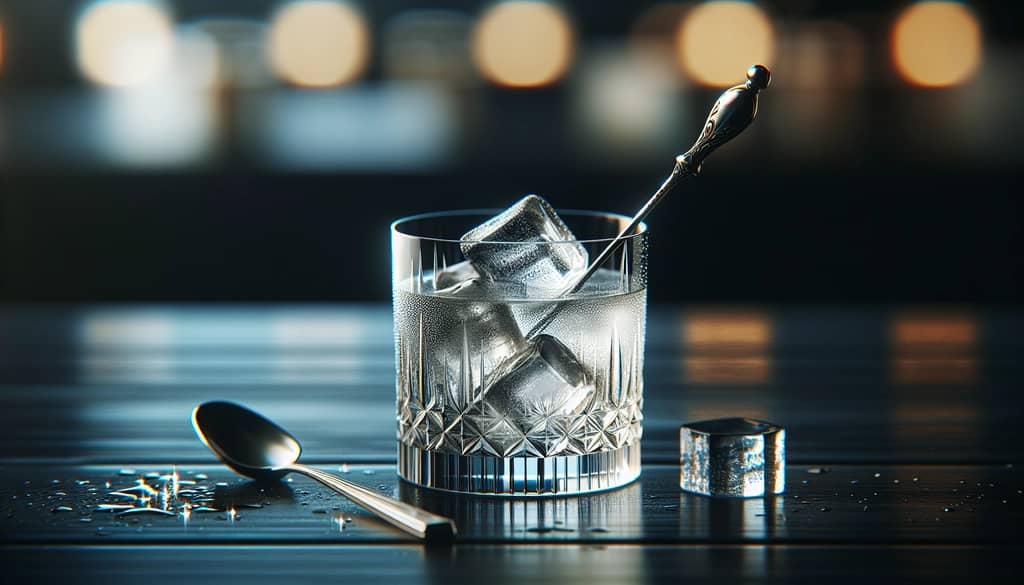
Not all cocktails are treated the same behind the bar. The decision to stir or shake isn't just tradition—it's rooted in the chemistry and intended flavor of the drink. Understanding when and why to stir cocktails reveals how technique shapes clarity, texture, and overall enjoyment.
Stirred vs. Shaken: The Real Difference
Cocktails that are spirit-forward—think martinis, Manhattans, or Negronis—are nearly always stirred. In contrast, drinks containing juice, syrups, dairy, or egg white, such as the classic whiskey sour, get shaken. But it's not just about the recipe: technique directly affects the drink’s final flavor and look.
Why Some Cocktails Are Stirred
Stirring is more than a gentle mix—it's a deliberate choice for spirit-based cocktails. The goal is to blend without aerating, resulting in a silky mouthfeel and a crystal-clear pour.
- Preserves clarity—no cloudy appearance, just a reflective, pristine drink.
- Maintains a smooth, velvety texture (no tiny air bubbles or froth from shaking).
- Prevents excessive dilution, ideal when working with delicate spirits where flavor balance matters.
- Allows precise temperature control—stirring chills spirits without bruising them.
Classic examples best served stirred include:
When to Shake Instead of Stir
Shaking is essential for cocktails where citrus, juice, dairy, or sweeteners need aggressive blending. The shaking action quickly combines thick or viscous ingredients, introduces tiny air bubbles, and results in a textured, often cloudy, drink with visible froth.
- Emulsifies and integrates ingredients that resist mixing (like lemon juice and egg white in a whiskey sour).
- Adds aeration, resulting in a light, frothy head for certain cocktails.
- Rapidly chills and dilutes, especially important with bold, sweet, or sour ingredients.
Famous shaken drinks include the margarita, daiquiri, and pisco sour—each featuring non-spirit elements that benefit from shaking’s texture.

How to Decide: Stirred or Shaken?
The mixologist’s rule: if the cocktail is spirits-only, stir. If there’s juice, cream, egg, or thick syrups, shake. This guideline preserves the distinct characteristics of each drink type.
- Stir if the recipe contains only spirits, vermouths, liqueurs, or bitters.
- Shake when using citrus juice, fruit purée, dairy, or egg white.
Some modern bartenders break the rule for texture or surprise—always consider the drink’s flavor, intended appearance, and mouthfeel when deciding.
Expert Stirring Technique for Perfect Results
- Fill a mixing glass three-quarters full with ice—large, clear cubes are best.
- Add spirits, vermouth, and bitters as called for by the recipe (in ml).
- Insert a long bar spoon and stir gently for 20–30 seconds—focus on smooth, circular movements.
- Taste for temperature and dilution; strain into a chilled glass using a julep strainer.

For those who love cocktails, learning when and how to stir or shake transforms the drinking experience, highlighting subtle aromas, clarity, and mouthfeel, all of which are central to the world of expertly made mixed drinks.