Updated on: 6/8/2025

How the Age of Bourbon Affects Its Use in Cocktails
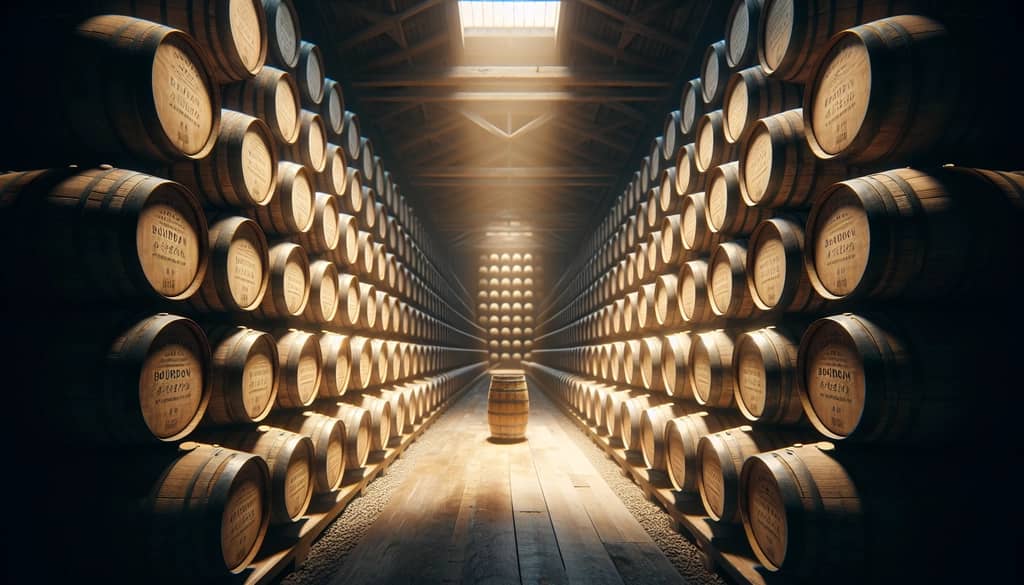
Bourbon’s age isn’t just a number; it reveals how long the spirit has matured in charred oak barrels, which has a direct impact on flavor intensity and cocktail suitability. Understanding how young versus old bourbons behave in mixed drinks can help any bartender, professional or at home, craft something truly satisfying.
Aging and Flavor: What Changes in Bourbon Over Time
As bourbon ages in oak barrels, it develops new characteristics and loses some of its harshness. The interaction with wood brings about sweetness, spice, tannins, and layered aromas that grow more pronounced with time. Here’s how those age-related changes typically unfold:
- Aged less than 4 years: Bold, grain-forward, sometimes rough around the edges.
- 4–8 years: Balanced notes develop—vanilla, caramel, mild oak, gentle warming spice.
- 8+ years: Rich complexity—dried fruit, deep caramel, pronounced oak, earthy or leather notes, smoother mouthfeel.
How Bourbon Age Guides Cocktail Choice
Choosing bourbon for a cocktail is often about flavor balance. Age plays a major role, dictating whether the whiskey should be front-and-center or blended in harmony. Here’s a quick guide:
- Younger bourbons (2–4 years) offer punchy, spirited flavors—think bright corn, spice, and a slight roughness. These work well in drinks with bold mixers, such as Whiskey Sours, Bourbon & Cola, or fruit-forward cocktails. Their vigor holds its own against acidity and sugar.
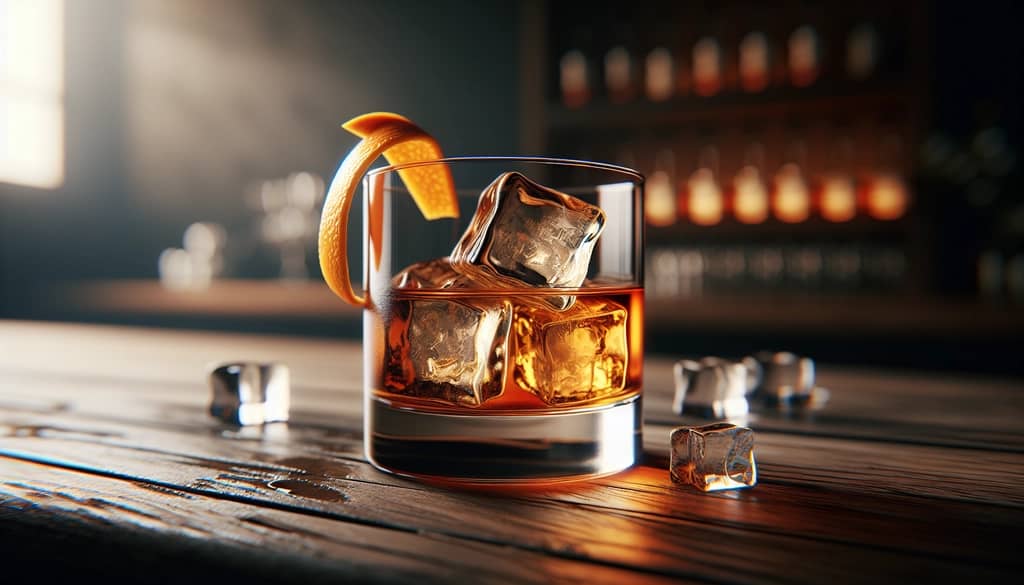
- Moderately aged bourbons (4–8 years) are the “sweet spot” for classics like the Old Fashioned or Boulevardier. The oak and vanilla complexity pairs beautifully with bitters and liqueurs, letting subtle character emerge without being masked.
- Older bourbons (8+ years) tend to shine with minimal intervention. These whiskeys are layered, sensitive, and best displayed in spirit-forward recipes or neat. Stirred drinks like a Manhattan allow the nuanced flavors—dried fruit, cocoa, mature oak—to remain the star.
When to Use Young vs. Old Bourbons
- Use young bourbon in cocktails with citrus juice, ginger beer, or sodas. High-acid or sweet mixers tame youthful sharpness.
- Reach for mid-aged bourbon in recipes balancing sweetness, bitterness, or spice—think vermouth, bitters, or liqueurs.
- Reserve older bourbon for minimalistic, stirred cocktails or sipping straight, where complex wood, spice, and earthy notes can be appreciated.
The most prized bourbons—15 years and up—are rarely mixed. Their depth is best explored on their own or with just a drop of water. For everyday mixing, a bourbon aged 4–7 years strikes the right balance of flavor and value.
Expert Tips for Mixing with Bourbon of Any Age
- Taste the bourbon before mixing: not all older whiskeys are superior for every drink.
- Let the cocktail match the spirit’s complexity—save the 12-year bottles for cocktails where bourbon leads.
- For daily cocktails, choose a “workhorse” bourbon (4–6 years) with enough age for smoothness but not too costly to mix.
- Use less sweetener with older bourbons; their concentrated caramel and oak may need balance from bitters or a lighter hand on sugar.